Gardening Embroidery Design Review
First Impressions: A Fresh Take on Typography in Embroidery
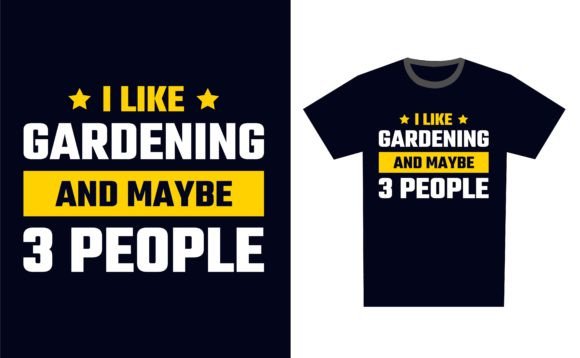
At first glance, Gardening feels like a breath of fresh air. The typography design is clean, modern, and has a casual yet elegant vibe that makes it easy to imagine on a variety of surfaces. It’s not overly detailed, which is a good thing for embroidery—less complexity means fewer chances for stitching errors. The layout is centered and balanced, with enough negative space to keep the design from feeling cluttered. This makes it ideal for projects where you want the text to be the focal point without overwhelming the fabric.
The word "Gardening" itself is stylized in a way that feels approachable and inviting. It's perfect for custom apparel, tote bags, or even baby clothes, where a gentle aesthetic is key. I can see this design working well on light-colored fabrics, but I’d still recommend testing it on dark backgrounds as well to see how the contrast plays out.
Real-Life Scenario: Custom Embroidered Tote Bag
Let’s say I’m preparing a custom embroidered tote bag for a local nursery. I need a design that feels both professional and friendly, something that would appeal to parents and gardening enthusiasts alike. Gardening fits the bill perfectly. The font is legible at a decent size, and when resized, it maintains its shape without distortion. That’s a big plus for machine embroidery, where scaling can sometimes ruin the look of a design.
I’d stitch it using a combination of satin and running stitches to give it a soft, hand-crafted feel. The lack of intricate details means the stitching process won’t be too time-consuming, which is great if I’m producing multiple tote bags for a small shop or Etsy listing. I’d also make sure to use a proper stabilizer to prevent puckering, especially since tote bags are often made from thicker, woven fabrics.
Where Gardening Shines: Perfect Use Cases
Gardening is a versatile design that can be adapted for a wide range of products. Here are some scenarios where it excels:
- Custom Apparel: T-shirts, sweatshirts, and caps can all benefit from this straightforward typography. It works especially well on larger garments where the text can be sized appropriately without looking cramped.
- Tote Bags & Aprons: The clean lines and open layout make it a great choice for embroidered patches or full-size designs on fabric items used in gardens or kitchens.
- Baby Clothes: If you're creating personalized baby onesies or rompers, the simple and cheerful look of Gardening adds a nice touch without being too bold.
- Holiday Gifts: For seasonal items like pillow covers or tea towels, this design brings a warm, nature-inspired theme that’s perfect for gift-giving.
- Etsy Listings & Craft Fairs: As a digital embroidery file, it’s easy to create printable mockups for your listings. Its adaptability across various formats (EPS, PNG, SVG, JPEG) gives sellers flexibility in how they present their product.
When to Use with Caution: Limitations and Considerations
While Gardening is a strong design, there are situations where it might not perform as well. For example, if you plan to stitch it on very small hoop sizes, the lettering could become too tight and lose its clarity. Similarly, using it on stretchy or textured fabrics may affect how the stitches lay down, so always test it on scrap fabric first.
Another consideration is the use of dark thread colors on dark fabrics. While the design looks great on light backgrounds, it might not stand out as much on darker materials unless you adjust the stitch density or use a contrasting color. Also, if you’re planning to use it on curved surfaces like hats or caps, you’ll need to ensure the design is properly aligned and doesn’t distort during the embroidery process.
Design Notes for Embroidery Professionals
If you're an embroidery designer or craft business owner, here are a few practical tips before using Gardening in your next project:
- Test on Scrap Fabric: Always do a test run on a scrap piece of fabric similar to what you'll be using for the final product. This helps identify any potential issues with stitch placement or fabric compatibility.
- Check Thread Color Contrast: Make sure the thread color you choose complements the fabric you're using. A high-contrast thread will enhance the visibility of the design.
- Review Stitch Density: Adjust the stitch density based on the fabric type. Too dense, and the design might feel stiff; too sparse, and it might look incomplete.
- Confirm Hoop Size: Ensure the hoop size you're using is appropriate for the scale of the design. If the design is too large for the hoop, it can lead to misalignment or uneven stitching.
- Use Proper Stabilizer: Especially important for stretchy or thin fabrics, a good stabilizer prevents shifting and ensures the finished product looks neat and professional.
- Test in Black and White Mockups: This helps you see how the design will look in different lighting conditions and on various fabric colors.
Remember, while Gardening is resizable and editable in multiple formats, always confirm the licensing terms before selling any finished products or digital assets. This will help avoid any legal complications down the line.
Final Thoughts: A Solid Choice for Many Projects
Gardening is a reliable, adaptable design that offers a lot of value for embroidery designers, crafters, and small business owners. Whether you're making handmade gifts, boutique merchandise, or commercial embroidery projects, this design brings a fresh, nature-inspired look that’s both appealing and functional.
With a bit of thoughtful preparation and attention to detail, Gardening can elevate your embroidery work and help you create products that customers will love. Just remember to test it thoroughly and tailor it to the specific needs of each project you take on.