It s a Homeowner Thing You Wouldn t
A First Look at the Design
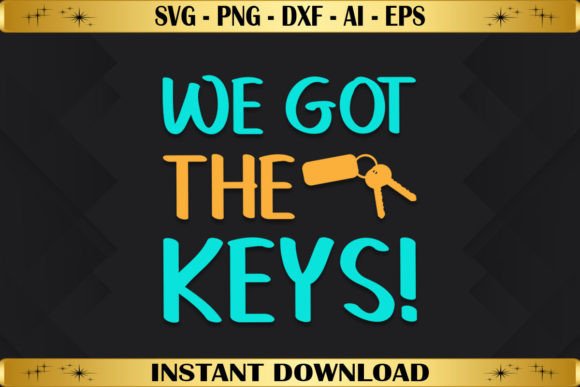
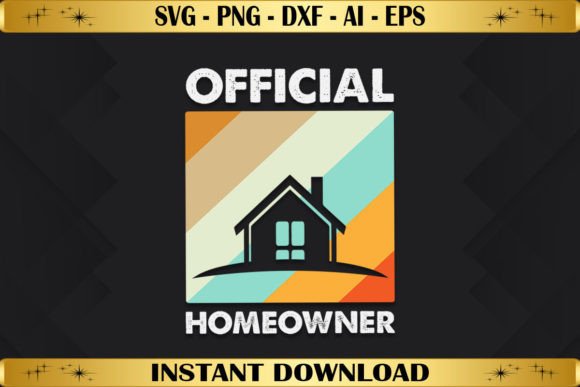
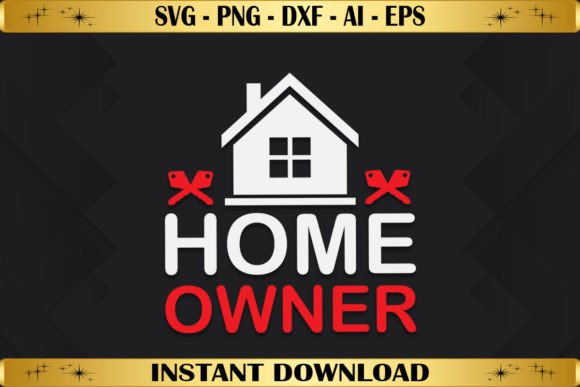
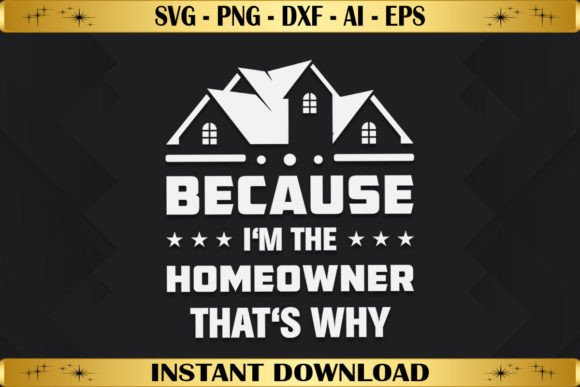
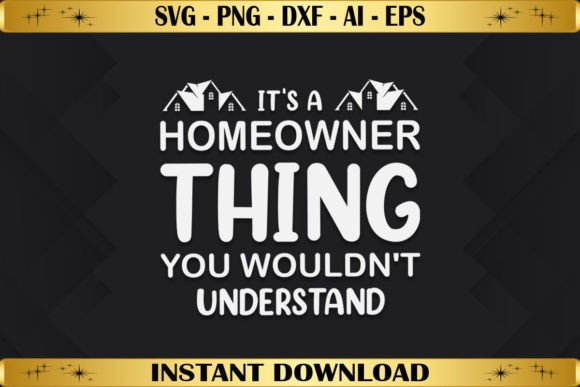
When I first opened It s a Homeowner Thing You Wouldn t, I was immediately drawn to its visual tone. The design carries a light-hearted yet relatable message that feels perfect for niche markets like home decor, personalized gifts, or even small shop merchandise. Its layout is clean and well-balanced, with a friendly font that adds character without overwhelming the viewer. It’s the kind of design that makes you smile—ideal for a custom apparel project or a personalized gift.
The theme resonates with people who have a deep connection to their homes, making it a great fit for handmade product lines targeting homeowners, DIY enthusiasts, or those looking for a unique holiday gift. The level of detail is just right—not too busy, not too simple. It gives enough personality to stand out but still maintains a professional look suitable for commercial embroidery projects.
How It Performs in Real Embroidery Projects
I tested It s a Homeowner Thing You Wouldn’t on a few different embroidery file setups to see how it would translate to real-world use. When applied to a tote bag, the design stitched cleanly with minimal distortion, especially when using a medium-sized hoop. The text remained crisp and legible, which is crucial for sweatshirt embroidery or tote bag design.
For custom apparel like sweatshirts or t-shirts, the design works best on lighter fabrics where the thread color contrast is clear. If you're planning to use it on dark fabric, I recommend checking the thread colors in advance to ensure visibility. The stitch density isn’t too heavy, so it won’t leave the fabric feeling stiff or uncomfortable, which is a big plus for items like aprons or pillow covers.
As an embroidery designer, I also appreciate how this design can be adapted for various uses. It could easily become an embroidered patch for a craft fair product or a nursery decor item. Just make sure to test it on a scrap piece of fabric first to confirm the stitch quality and how it interacts with the fabric texture.
Where This Design Should Be Used Carefully
While It s a Homeowner Thing You Wouldn’t is versatile, there are some scenarios where it might require extra attention. For example, if you plan to use it on a cap or another curved surface, the design may need slight adjustments to maintain clarity. Similarly, small hoop sizes could challenge the fine details of the text, so it's important to check whether the design scales well.
On thin fabric or stretchy fabric, the use of proper stabilizer becomes essential to prevent puckering or shifting during stitching. Also, if you’re aiming for a handmade product that needs frequent washing, consider how the design will hold up over time. While the digital embroidery file format offers flexibility, always double-check the stitch density and running stitch areas to avoid potential issues with durability.
Design Impact on Visual Appeal and Branding
One of the biggest advantages of It s a Homeowner Thing You Wouldn’t is how it enhances the visual appeal of any embroidery project. Whether you're creating a personalized gift or designing for a craft business, this design brings a sense of humor and relatability that customers appreciate. It helps establish a consistent brand identity, especially for Etsy sellers or small shop product lines that focus on niche audiences.
The design also plays a role in customer trust and buyer engagement. A well-executed embroidered patch or holiday embroidery item featuring this design can elevate the perceived value of your products. It's the kind of design assets that can help differentiate your work from others in the market.
Practical Embroidery Designer Notes
Before using It s a Homeowner Thing You Wouldn’t in a real project, here are a few tips I recommend:
- Test the design on scrap fabric first to ensure it stitches correctly and looks good in person.
- Check thread color contrast against your fabric choice, especially if using dark backgrounds.
- Review stitch density and adjust as needed to avoid stiffness or distortion.
- Confirm hoop size requirements before starting to avoid unnecessary resizing or rework.
- Inspect small details to ensure they remain visible after stitching.
- Test black and white mockups to see how the design translates under different lighting conditions.
- Use proper stabilizer to support delicate or stretchy fabrics.
- Check licensing before selling finished items or digital products to ensure compliance.
It s a Homeowner Thing You Wouldn’t is a solid choice for T-Shirt Designs and Graphics that aim to connect with a specific audience. With careful consideration and testing, it can be a valuable addition to your embroidery project repertoire—whether you're crafting for personal use or expanding your small business merchandise line.