Running Typography T-Shirt Design Review
A First Glance at "Running"
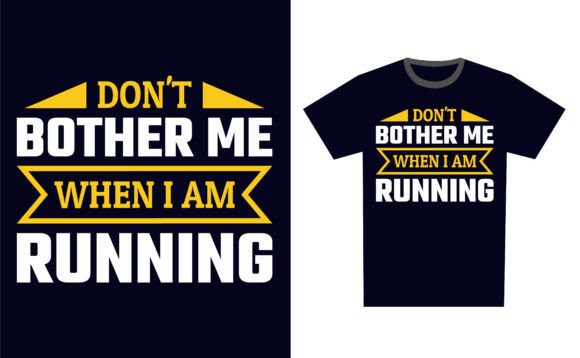
At first glance, the Running typography design feels clean and modern. The bold lettering immediately communicates energy and motion, which makes it a great fit for active lifestyles or fitness-themed projects. The layout is straightforward, with no unnecessary embellishments that could complicate stitching. It's easy to see how this design would translate well into custom apparel, especially when paired with high-quality thread and proper stabilizer.
The mood created by Running is upbeat and motivational. It’s not overly complex, which means it can work across a range of fabric types and embroidery techniques. However, because of its simplicity, I’d recommend using it on lighter fabrics or adding subtle accents to give it more visual depth.
How Running Performs in Real Embroidery Projects
When considering Running for real-life embroidery applications, I envision it as a perfect fit for custom sweatshirts, tote bags, or even personalized gifts like embroidered pillow covers. The design's scalability is a major plus—it can be resized easily without losing clarity, which is essential for adapting it to different products.
I can also see this design working well for holiday embroidery items, such as festive aprons or decorative kitchen towels. Its minimalist nature allows for creative pairing with other motifs or patterns. For example, adding small stars or stripes around the text could enhance the visual appeal without overpowering the main message.
For small shop products or Etsy listings, Running offers a professional look that appeals to customers seeking personalized items. It’s especially suitable for handmade product branding, where the focus is on quality and customization rather than intricate detail.
Where to Use Running with Caution
While Running is versatile, there are a few scenarios where extra care should be taken. On small hoop sizes, the text might appear cramped or lose some of its impact. I recommend testing it on scrap fabric before finalizing any project.
Textured fabrics or thin materials may require additional stabilizer to prevent puckering. Similarly, if you're working with dark fabric backgrounds, ensuring good thread color contrast is crucial. A light-colored thread on dark fabric will make the text stand out, but a darker thread might blend in too much.
Stretchy fabrics like knits can cause distortion during stitching, so using a tear-away or cut-away stabilizer is advisable. Also, avoid placing this design on curved surfaces like caps or hats unless the hoop size and tension settings are adjusted properly.
Design Considerations for Embroidery Projects
Before committing to using Running in a project, take the time to review the stitch density and adjust it according to the fabric type. High-density areas might lead to bulkiness, especially on lightweight materials. Testing the design in both black and white mockups can help identify potential issues with visibility and contrast.
If you're planning to use Running for commercial embroidery or selling finished products, ensure you understand the licensing terms associated with the embroidery file. This is especially important for craft business owners or digital product sellers who rely on clear rights to use and resell designs.
For personalized gifts or nursery decor, consider how the design will interact with other elements on the garment. Pairing Running with complementary graphics or colors can elevate the overall aesthetic of the finished product.
Final Thoughts on Running
In summary, Running is a solid choice for a wide range of embroidery projects. Whether you're creating custom apparel, handmade products, or small shop merchandise, this design brings a clean, motivational feel that works well in many contexts. Just be mindful of fabric type, hoop size, and stitch settings to ensure the best results.
If you're an Etsy seller, craft fair participant, or apparel decorator, Running could be a valuable addition to your design assets. As always, test it on scrap fabric first and review all technical details before moving forward with a full production run.