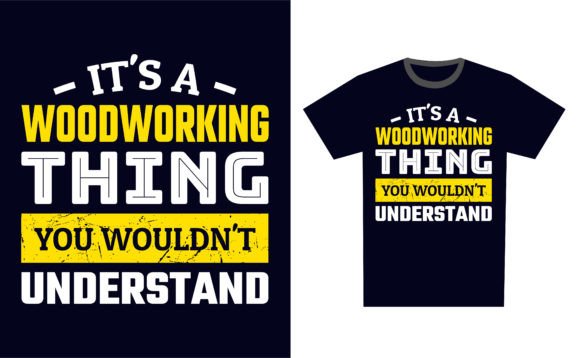
Woodworking Typography Embroidery Design Review
First Impressions of the Woodworking Design
At first glance, Woodworking feels like a bold and modern take on typography in embroidery. The clean lines and strong letterforms immediately suggest it's a design that would stand out on a variety of fabric types. It has a professional yet approachable vibe, which makes it feel versatile enough for both casual and more refined projects.
The layout is straightforward, with each letter well spaced and balanced. This gives the impression of a design that’s been crafted with purpose—something that wouldn’t overwhelm a small garment or get lost on a larger item. The theme itself is inviting, suggesting a connection to craftsmanship, creativity, and hands-on hobbies. This makes it a great fit for custom apparel, personalized gifts, and even branding elements for craft businesses.
Real-Life Scenario: Custom Embroidered Tote Bag
Let’s imagine using Woodworking for a custom embroidered tote bag. As someone who often creates handmade products for Etsy sellers and boutique brands, I’d consider how this design would translate from screen to stitch.
The typography is large and legible, making it ideal for a tote bag where the text needs to be visible from a distance. The spacing between letters allows for smooth stitching without overcrowding the fabric. I can see this design working beautifully on a canvas tote, especially when paired with a contrasting thread color. The clean edges and sharp angles also mean it would look polished and professional on a finished product.
However, I’d test it on scrap fabric first to see how the stitches lay. If the design is too dense, it might create a stiff patch on a soft tote bag. For this reason, checking the stitch density and adjusting it if needed would be important before finalizing the project.
Where Woodworking Shines in Embroidery Projects
Woodworking has a natural place in several embroidery applications. Here are a few examples:
- Custom Apparel: Perfect for t-shirts, sweatshirts, and hoodies. The bold font adds personality without being overwhelming.
- Tote Bags: Great for creating branded or personalized items, especially when used with a stabilizer to keep the fabric from puckering.
- Baby Clothes: A subtle yet stylish choice for onesies or rompers, as long as the font size is adjusted for smaller garments.
- Patches: Ideal for embroidered patches, especially when used as a standalone element on jackets or backpacks.
- Holiday Gifts: Could work well as a festive message on pillow covers or kitchen towels, depending on the thread color and placement.
- Craft Business Merchandise: A strong addition to Etsy listings or craft fair products, adding a touch of professionalism to handmade items.
Its versatility makes it a valuable asset for any embroidery designer looking to expand their design library with something that feels both modern and classic.
Considerations for Careful Use
While Woodworking is a strong design, there are situations where it should be used with caution. For instance, on small hoop sizes, the details might not stitch cleanly, especially if the font has intricate features. Similarly, on textured fabrics like burlap or denim, the texture could affect the overall appearance of the embroidery.
If you're planning to use it on dark fabric, selecting a high-contrast thread color will be essential. Otherwise, the design might blend in too much and lose its visual impact. On stretchy fabrics like knits, proper stabilizer use is crucial to prevent distortion after washing.
Also, when placing the design on curved surfaces such as caps or hats, the alignment and sizing need extra attention. Tiny lettering or densely stitched areas may require a higher level of precision, especially for commercial embroidery projects.
Design Notes for Embroidery Professionals
Before committing to a project with Woodworking, here are some practical steps to ensure the best outcome:
- Test on Scrap Fabric: Always try the design on a sample piece of fabric before applying it to your final product. This helps identify potential issues early on.
- Check Thread Color Contrast: Make sure the chosen thread color stands out against the fabric background, especially for dark or busy patterns.
- Review Stitch Density: Adjust the stitch count if needed to avoid stiffness or puckering, particularly on delicate fabrics.
- Confirm Hoop Size: Ensure the hoop size matches the dimensions of the design to prevent stretching or misalignment during stitching.
- Inspect Small Details: Look closely at the design to make sure all parts of the typography are clear and won’t be lost in the stitching process.
- Use Proper Stabilizer: Especially for lightweight or stretchy fabrics, using a good stabilizer can help maintain the integrity of the embroidery.
- Test in Black and White Mockups: This can help visualize how the design will appear on different fabric colors.
- Check Licensing Before Selling: Confirm the rights to use and sell the design commercially, as this is crucial for small shop owners and digital product sellers.
These steps ensure that Woodworking delivers the quality and clarity expected from a professional embroidery project.
Final Thoughts on Woodworking
Woodworking is a solid machine embroidery design that offers a balance of style and functionality. Its clean, typographic form makes it suitable for a wide range of projects, from personal gifts to commercial products. However, like any design, it requires thoughtful consideration of fabric type, thread color, and stitch settings to achieve the best results.
Whether you're an Etsy seller, a small shop owner, or simply a hobbyist, Woodworking can add value to your portfolio. Just remember to test, adjust, and always prioritize quality when preparing your finished product.